The Benefits of Choosing Professional Translation Instead of Machine Translation
Regarding translation, you might ask yourself if machine translation can get the work done. While it seems convenient, it often misses the mark on nuance and cultural context. Professional translators, in contrast, bring a unique skill set that ensures your message resonates with your audience. They grasp the intricacies of language and emotion in ways machines simply fail to. So, what makes human translators the superior choice? Let's look at the key strengths that set them apart.
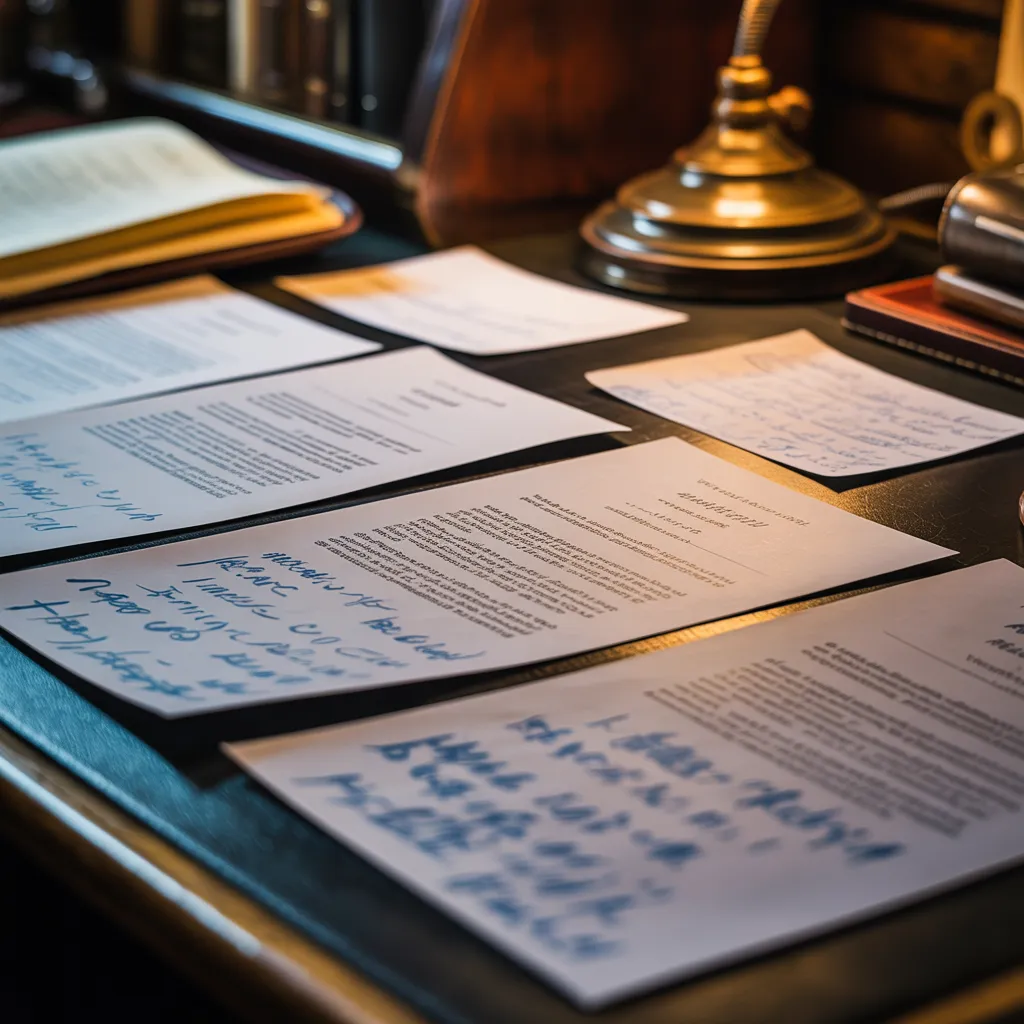
Why Human Knowledge Is Essential in Professional Translation
What makes human expertise so crucial in professional translation? When you trust human translators, you're not just getting a word-for-word conversion; you receive cultural insights and contextual understanding. A skilled translator understands the nuances of language, idioms, and tone, which can entirely alter the message's impact. They can adjust content to fit your target audience's preferences, ensuring it resonates effectively. Additionally, human translators can manage complex texts that require creativity and critical thinking—qualities machines just cannot duplicate. They also ensure quality assurance, guaranteeing accuracy and coherence throughout the document. By choosing human expertise, you're investing in a translation that expresses your original intent while engaging emotionally with your audience.
Limitations of Machine Translation Technology
Despite the fact that machine translation technology has attained substantial strides in recent years, it still confronts substantial limitations that can hinder its effectiveness. For example, it often faces challenges with idiomatic expressions and nuanced language, resulting in stilted or inaccurate translations. You could find that culturally specific references are misconstrued, causing a loss of meaning. In addition, machine translations can lack context, which can transform the intended message totally. The missing element of human touch means emotional subtleties often get overlooked. If you count solely on this technology, you may miss essential details that only a professional translator could capture. Ultimately, while machine translation can be useful for basic tasks, it falls short for complicated or sensitive content where precision is crucial.
Understanding the Importance of Cultural Awareness in Translations
Understanding cultural sensitivity when translating content is crucial as it ensures your message connects properly with your intended audience. Each culture has unique expressions, traditions, and values that influence how people interpret information. Neglecting these subtleties can cause your message to appear offensive or unclear. As an illustration, humor or idioms successful in one culture could be ineffective or insulting elsewhere. Professional translators are trained to navigate these complexities, ensuring your content is not just linguistically accurate but also culturally appropriate. By prioritizing cultural sensitivity, you build trust with your audience and enhance your brand's reputation. Ultimately, it's about connecting with people on a deeper level and ensuring your message is received as intended.
How Translators Transform Your Brand Voice Into Reality
Translators fulfill a crucial part in bringing your brand voice to life, ensuring that your message strikes a chord with audiences across different languages and cultures. They dive deep into your brand's personality, embracing its singular tone and style. With their cultural knowledge, translators adjust your content, making it relatable and engaging for diverse audiences. They don't just translate copyright; they convert your ideas into persuasive narratives that embody your brand's essence. By grasping your values and goals, they help sustain consistency in your messaging, independent of the language. This personal touch builds trust and connection with your audience, bolstering your brand's global presence. Finally, skilled translators allow your brand to communicate effectively and authentically, regardless of where your audience is.
How Expert Human Translation Delivers Accuracy and Preserves Nuance
Human translation transcends just transforming copyright from one language to another; it ensures accuracy and captures the nuances that are crucial for effective communication. When you select a professional translator, you're not just getting a literal translation; you're acquiring a deeper understanding of context, cultural references, and idiomatic expressions. This ensures your message resonates with the target audience.
A skilled translator can detect fine distinctions, adjusting phrases to retain tone and intent, which machines often miss. They also understand the emotional impact behind copyright, allowing for a more authentic connection. With human translation, you can have confidence that your content is not only correct but also culturally appropriate, strengthening your brand's credibility and fostering meaningful engagement with your audience.
Success Stories With Professional Translators
Successful collaborations often highlight the transformative power of professional translators in diverse industries. For instance, a tech company expanded its reach into Latin America, utilizing skilled translators to adapt their marketing materials. This move boosted engagement and sales by guaranteeing the content resonated with local audiences. In another case, a legal firm encountered challenges in a complex international case. Professional translators supplied precise translations of critical documents, enabling smooth communication and successful outcomes. These instances demonstrate how skilled translators not only transmit copyright but also cultural context, enriching understanding and connection. By selecting professionals, you make certain your message is clear, impactful, and culturally relevant, ultimately bringing about greater success in your projects.
How to Choose the Best Translation Service for Your Project
When selecting a translation service, start by determining your specific project needs. Understanding the type of content and target audience will assist you in finding the right fit. Next, evaluate the translation expertise of potential services to guarantee they can deliver high-quality results.
Define Your Project Specifications
How do you find the right translation service for your undertaking? Begin by recognizing your specific needs. Consider the languages involved, the subject matter, and the target audience. Are you translating a technical document, a marketing piece, or legal content? Each type requires different expertise. Next, think about your timeline and budget. Do you need a rapid turnaround, or can you allow more time? Establishing these factors helps narrow down your options. Furthermore, consider whether you need additional services like localization or cultural adaptation. By understanding your undertaking's requirements, you'll be more capable to select a translation service that aligns with your goals and ensures the best results for your undertaking's success.
Appraise Translation Capabilities
Picking the best translation service relies on evaluating the expertise of potential providers. Commence by verifying their qualifications and experience in your specific industry. Seek out translators who are native speakers of the target language and have a firm grasp of cultural nuances. Don't hesitate to request samples of their previous work or client testimonials to gauge their quality. It's also important to reflect on their specialization; a legal translator, for example, will be more appropriate for legal documents than a generalist. Additionally, ask about their translation process and quality assurance measures. By thoroughly examining these aspects, you'll ensure you choose a professional translation service that fulfills your project's unique needs and maintains high standards.
Questions & Answers
What's the Process for Professional Translators Handling Technical Jargon?
Professional translators understand technical jargon by studying industry-specific terminology, reviewing relevant resources, and collaborating with subject matter experts. This ensures they accurately convey meaning while preserving the text's integrity and relevance for the intended audience.
Which Sectors Gain the Most From Professional Translation Services?
You'll discover industries including legal, medical, and technical fields benefit most significantly from professional translation services. These sectors require precision and cultural understanding, delivering accurate communication and compliance with regulations across various languages and markets.
Do Professional Translators Handle Various File Formats?
Yes, professional translators can work with diverse file formats, including websites, documents, and multimedia content. They're skilled at adapting content to match each format while maintaining accuracy and ensuring your message resonates across multiple platforms.
How Does Processing Speed Compare Between Professional and Machine Translation?
Processing times for machine translation are usually faster since it's automated. Nonetheless, professional translation might take longer due to thorough review complete article processes, providing accuracy and cultural relevance, which ultimately improves the quality of the final product.
Do Certifications Exist for Professional Translators?
Yes, there are certifications for professional translators. Organizations like ATA and ITI offer credentials which showcase proficiency and expertise. These credentials serve to enhance your professional reputation and enable you to distinguish yourself in the challenging translation marketplace.